
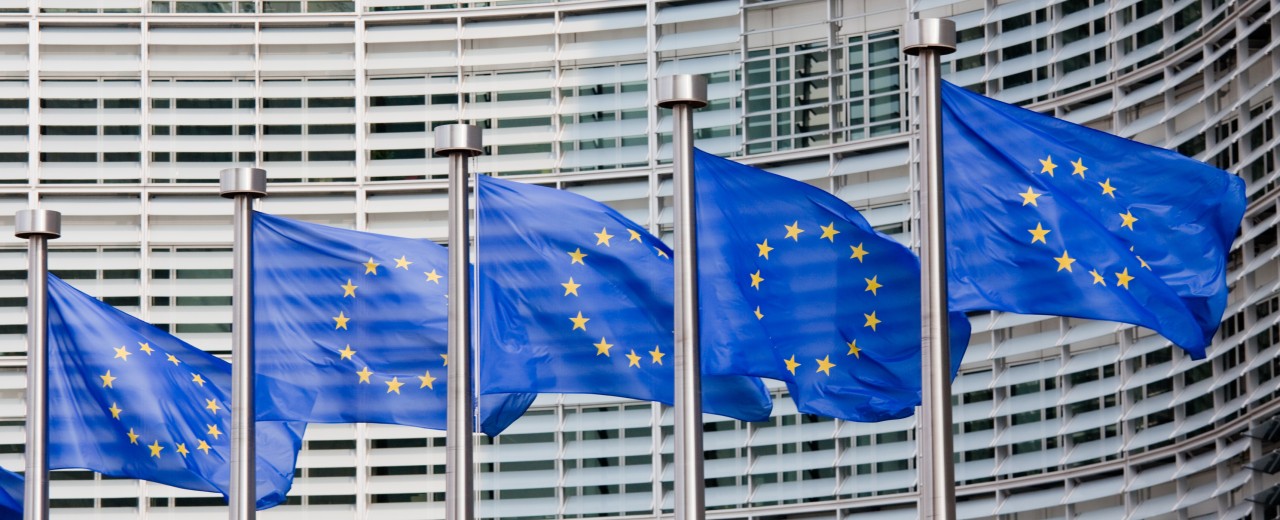
KfW's European commitment
KfW's European commitment
KfW acts as Germany’s national promotional bank also on behalf of Europe. KfW programmes can be used by European companies based in Germany. Some of the programmes also support cross-border projects. KfW is additionally engaged with the European Commission in order to enhance, as part of Team Europe, the impact of European development cooperation and to contribute to European resilience, partnership and competitiveness. Another important field of activity is project and export finance provided by KfW IPEX-Bank, with the aim of strengthening German and European export industries. In addition, KfW maintains a liaison office in Brussels, KfW staff participate in European expert groups, and KfW cooperates with its European partner banks in joint financing initiatives, for example in the field of the circular economy.
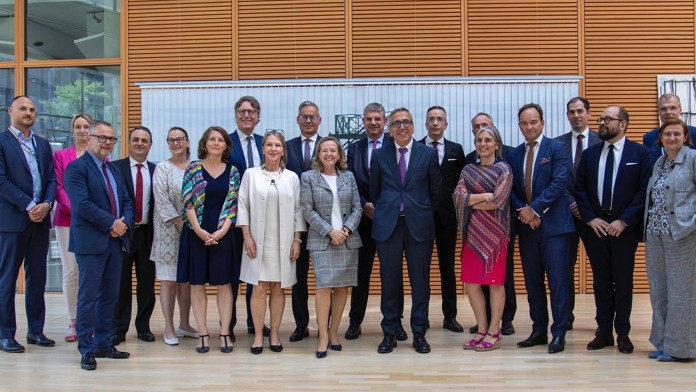

KfW has made its first investment of €70 million under the Deutschlandfonds in a securitization of lease receivables to small and medium-sized enterprises. Together with the European Investment Fund (EIF) and private investors, KfW participated in a transaction by the German leasing provider abcfinance GmbH. The aim is to mobilize additional capital for the SME sector – deliberately relying on the capital market. With this, KfW and EIF are jointly contributing to revitalizing the European Savings and Investment Union (SIU).
abcfinance to unlock over EUR 380 million in fresh SME finance with EIF–KfW securitisation deal
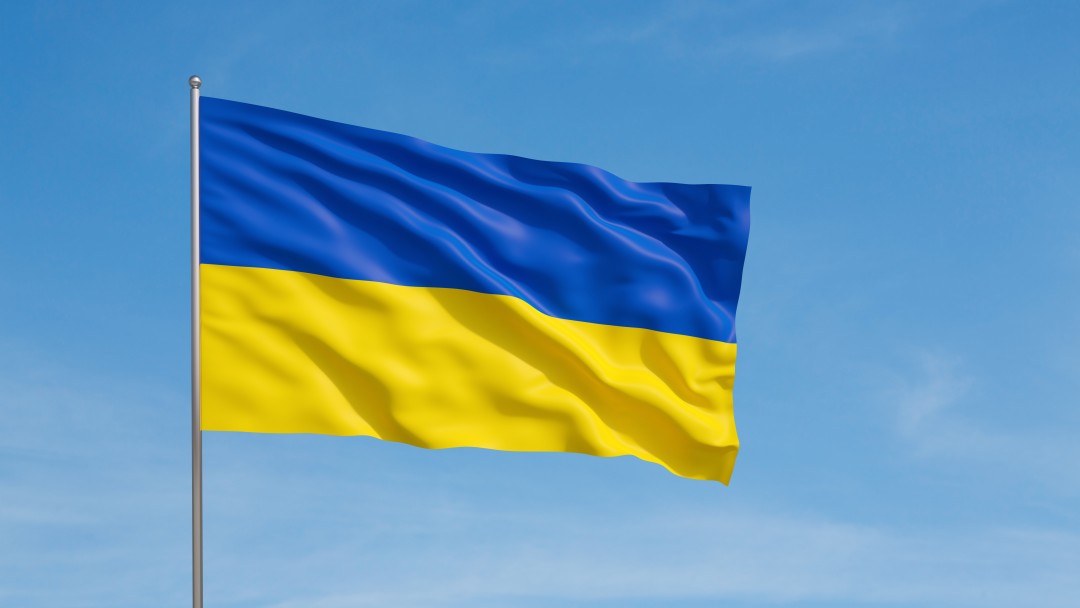
On behalf of the German Federal Ministry for Economic Cooperation and Development (BMZ) and the European Commission, KfW, together with European partners, has launched the European flagship fund for the reconstruction of Ukraine. The fund is expected to grow to a target volume of €1 billion by the end of 2027 and thereby enable €6 to €7 billion of investment in the Ukrainian economy.
The European consortium consists of the governments of Germany, Italy, Poland and France, their development banks, the European Commission and the European Investment Bank (EIB).
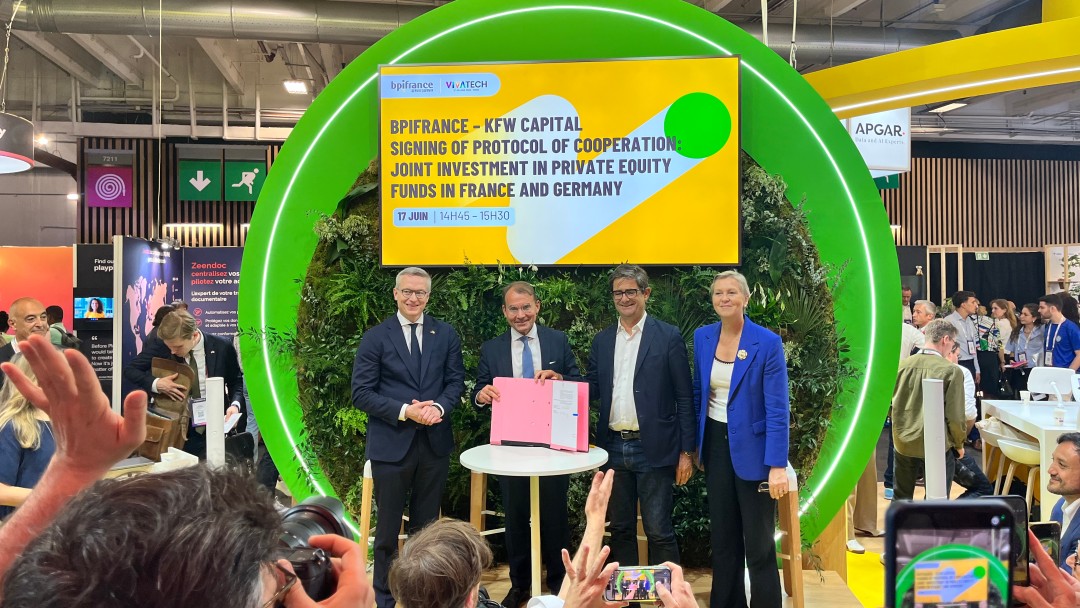
On 17 June 2026, KfW Capital and its French partner bank Bpifrance signed a Memorandum of Understanding (MoU). Both promotional institutions agreed to invest a total of €400 million over a period of six years in German and French venture capital (VC) funds with a cross border investment focus. With the capital provided by the two promotional institutions, they will invest in start-ups from the respective home country, thereby supporting innovative and strategically important future technologies that strengthen Europe’s competitiveness and resilience. Taking into account the leverage effect, a total of around €1.6 billion in capital could be mobilised for start-ups. The existing commitments of KfW Capital in France and of Bpifrance in Germany already amount to more than €500 million in 27 VC funds (see press release of 17/06/2026).
The MoU was signed by KfW Capital CEO Jörg Goschin and Bpifrance CEO Nicolas Dufourcq on the sidelines of the Vivatech trade fair in Paris, in the presence of Carsten Wildberger, Minister of State for Digital Affairs and State Modernisation, and the French Minister of State for Digital Affairs, Anne Le Hénanff.
The national promotional institutions of France, Germany, Italy, Poland and Spain as well as the European Investment Bank (EIB) will cooperate to bolster Europe’s security and defence industry. The six long term investors – Caisse des Depôts, Kreditanstalt für Wiederaufbau (KfW), Cassa Depositi e Prestiti (CDP), Bank Gospodarstwa Krajowego (BGK) and Instituto de Crédito Oficial (ICO) and the EIB – agreed to further explore cooperation opportunities.
The cooperation will focus on areas of investment and on potential joint financing in sectors such as research and development, industrial capacity, and infrastructure.
The agreement reached on 18 September 2025 in Warsaw – in the margins of the European Association of Long-Term Investors (ELTI) CEO meeting hosted by BGK – marks a significant step to further boost and reinforce the collaboration between the national promotional institutions and the EIB in supporting Europe’s security and defence infrastructures, technologies and industrial capabilities.
The initiative, which may also explore the development of potential joint collaborations, including on financial products and advisory services, is a pan-European approach to strengthening European security and defence. It is open to additional European long-term public investors, in particular national promotional institutions all over Europe, and it is part of increased efforts to strengthen the EU and tackle evolving security threats amid significant geopolitical shifts.
Besides providing financial resources, the Joint Initiative on Circular Economy (JICE) launched by European public promotional banks in 2019 intensively deals with the framework conditions needed to reinforce circular business model economies and investments in Europe.
At the end of 2024 the promotional banks’ CEOs and presidents submitted a recommendation paper to the European Commission.
The recommended measures address four fields of action:
1. Positioning of circular economy as a game changer for Europe
2. Creating new markets and supporting circular economy innovations
3. Simplifying rules and ensuring that these support circular economy models
4. Enhancing access to the financial resources and promoting investments
You can download the pdf document here(PDF, 267 KB, accessible).
Besides KfW, the following banks and institutions are members of Joint Initiative on Circular Economy („JICE“): Bpifrance (France), BGK (Poland), CDC (France), CDP (Italy), ICO (Spain), Invest-NL (Netherlands), EIB
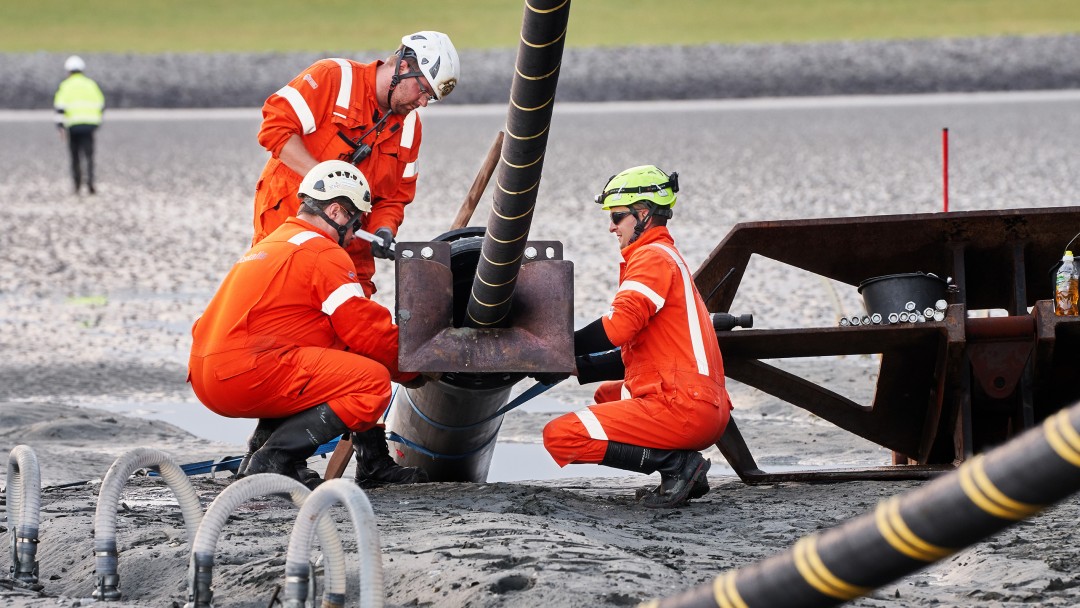
On behalf of the Federal Ministry for Economic Cooperation and Development (BMZ), KfW has signed a loan agreement for EUR 35 million with the Tunisian energy supplier STEG (Société Tunisienne de l'Electricité et du Gaz) for a 200 kilometre-long submarine cable. This project will enable the electricity grids of Tunisia and Italy to be connected for the first time. The high-voltage submarine cable and associated infrastructure has a capacity of 600 megawatts. As of 2028, trade in electricity between Tunisia and the EU will be possible and significant CO2 savings will be achieved.
The project is being carried out by the two system operators STEG (Tunisia) and TERNA (Italy). The EU provided the project with a grant of EUR 307.6 million through the Connecting Europe Facility. Other donors include the World Bank, the European Investment Bank, the European Bank for Reconstruction and Development and the Green Climate Fund.
The project is one of the flagship projects of the EU Global Gateway initiative, which specifically supports geopolitically important projects and partner countries.
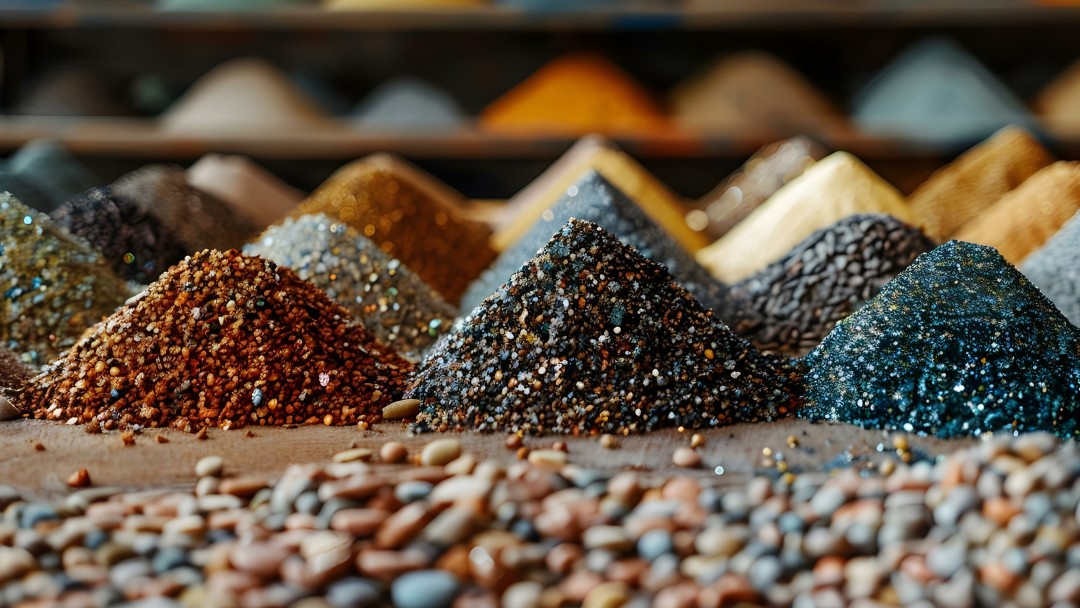
KfW is establishing a raw materials fund on behalf of the German Federal Government in order to support the sustainable supply of raw materials to the German and EU economy. This fund is intended to support the German economy in its efforts to secure access to strategic raw materials, thereby reducing dependencies.
Firstly, KfW will set up the raw materials fund and identify suitable projects. Promotion will take the form of equity investments in particular. he financing budget will generally be between EUR 50 million and EUR 150 million. The projects will have to demonstrate that they contribute to strengthening the domestic economy through the long-term procurement of critical natural resources, including in processed form, for production sites in Germany and the EU.
Link Factsheet KfW raw materials fund: German Raw Materials Fund(PDF, 149 KB, accessible)
Link Press Release: KfW establishes raw materials fund
Further Information: German raw materials fund
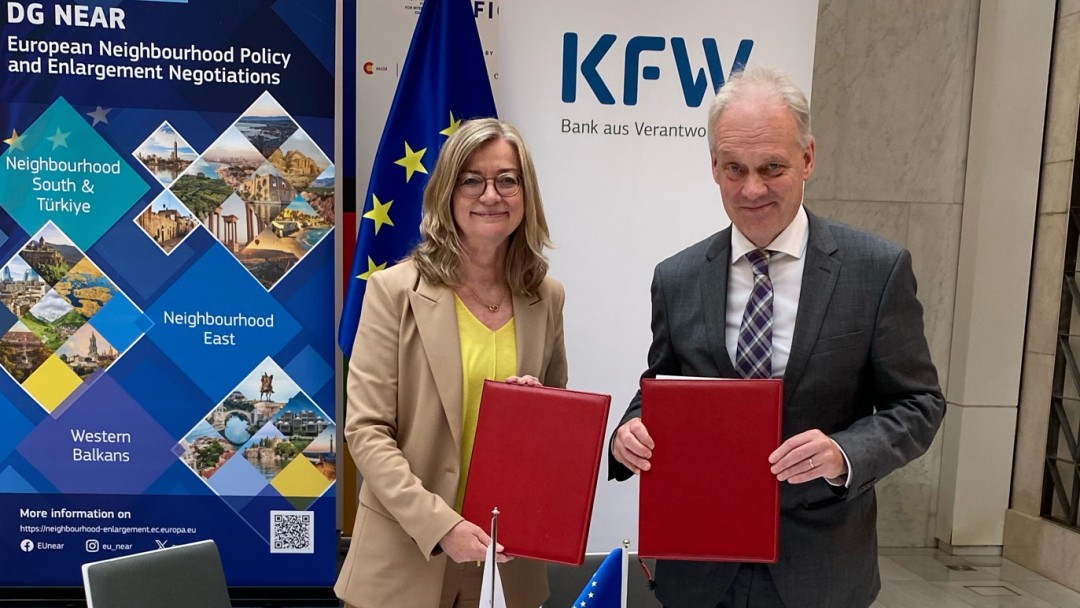
At the JEFIC High Level Meetings on 18 June 2024, Christiane Laibach (Member of Executive Board of KfW) and Gert Jan Koopman (Director General at DG NEAR) signed the EFDS+ guarantee agreement ‘Supporting a market-oriented Green Transformation in the Western Balkans and European Neighbourhood East regions.’ The EU’s EFDS+ guarantee used to safeguard default risks of development and promotional loans amounting to EUR 260 million. The secured loans enable investments in renewable energy and network infrastructure in target regions. After an initial starting phase of three years, the EFDS+ guarantees will secure loans with a duration of 15 years until 2042.
- The EFDS+ guarantee agreement includes an additional component for technical support to the amount of EUR 13 million.
- The investment programme is one of six programmes of the KfW Development Bank (currently in cooperation with DEG) with a guarantee volume of up to EUR 1.1 billion in total, which was approved by the EU in 2022.
- The loan borrowing strengthens the commercialisation of national energy suppliers while promoting their market maturity.
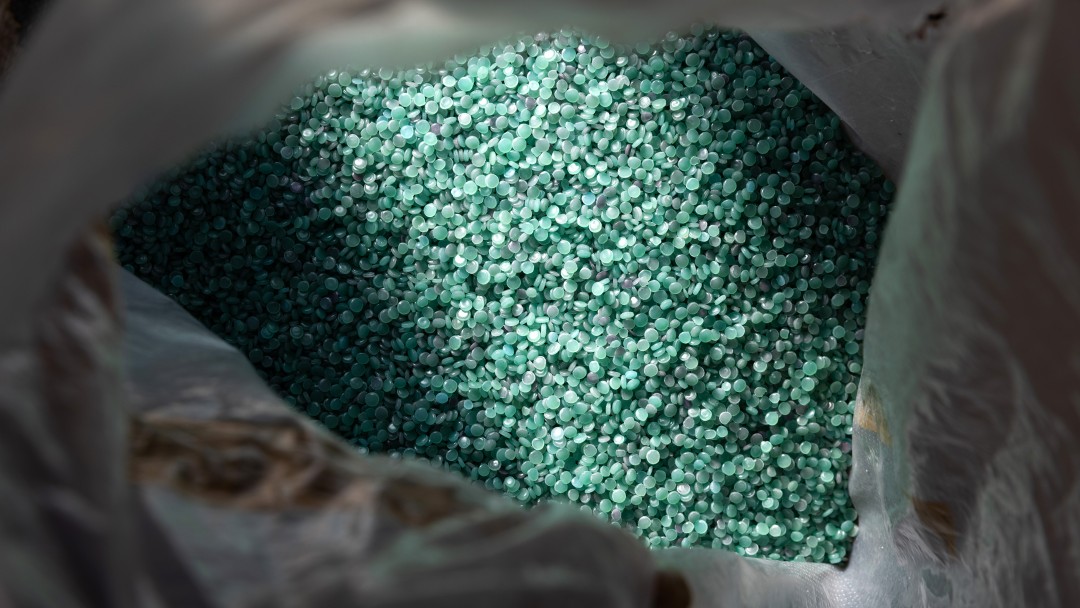
Currently only 38% of a total 2.5 billion tonnes of waste is recycled and reintegrated into economic value chains. Through the 'circular economy' concept, products and processes are being redeveloped so that resources can be used many times over and hence the amount of waste is being reduced. The advantages of transitioning from a linear business model towards a circular economy include not only environmental benefits, but also a reduced resource dependency and the creation of jobs through innovations and the development of materials, products and processes. To support this transformation, the circular economy is an important pillar of the European Green Deal.
To implement circular economy, the six main public promotional banks of the European Union (BKG Poland, CDC France, including BpiFrance, CDP Italy, ICO Spain, KfW Germany as well as the EIB) decided to launch the Joint Initiative on Circular Economy (JICE). JICE shall provide long-term financing for projects which accelerate the transformation towards circular economy. The participating JICE partners aimed to provide at least ten billion Euros of investments in circular economy projects by the end of 2023. The goal has now been exceeded and projects worth €11.6 billion have been funded across a wide range of sectors, including agriculture, industry and services, mobility, urban development, waste and water management. Projects span all stages of the value chain and the life cycle of products and services, from design to value recovery.
Characterised by JICE’s success to date, the members have decided to prolong the initiative by another two years and have determined a higher goal for circular economy projects of 16 billion Euros by the end of 2025. At the same time JICE has gained another member: Invest-NL (Netherlands) is now part of the initiative.
The Joint Initiative on Circular Economy (JICE) reaches EUR 8.9 billion and continues its efforts
WIN Initiative:
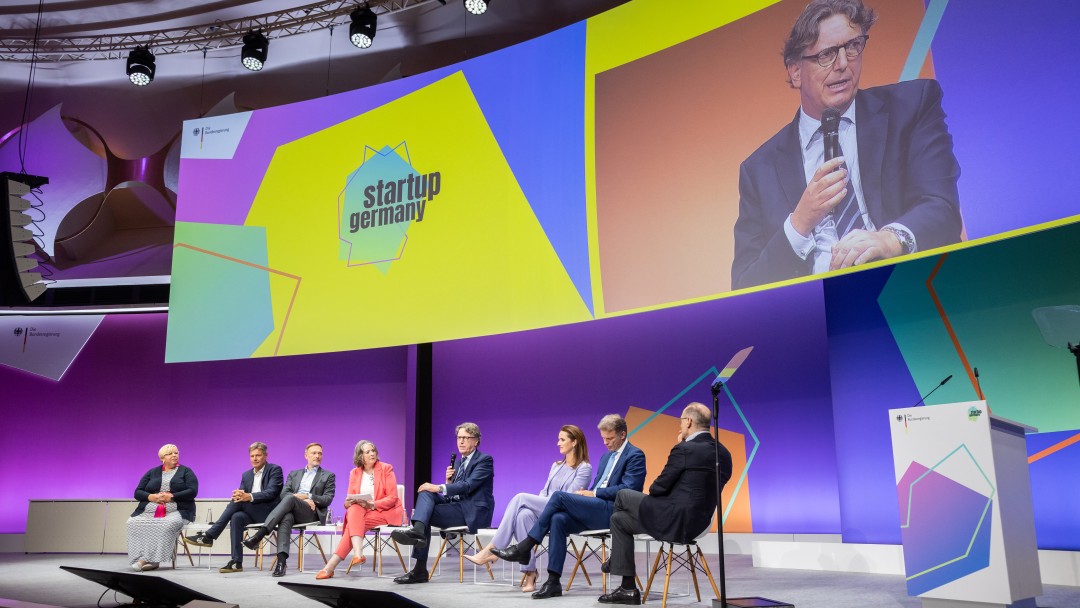
The German federal government, KfW, the financial sector and players from the start-up ecosystem agree on joint measures to strengthen growth and innovation financing in Germany.
On 17 September 2024, Federal Chancellor Olaf Scholz, the then Federal Minister of Finance Christian Lindner, Federal Minister of Economics Robert Habeck and numerous companies and associations signed a joint declaration of intent on the WIN initiative (Growth and Innovation Capital for Germany) in Berlin. The WIN initiative aims to improve the fiscal, legal and financial framework conditions in Germany so that young innovative companies can access private capital more easily. As part of the WIN initiative, the participants have pledged to work together with politicians to structurally strengthen the start-up landscape in Germany and Europe through ten measures. At the same time, the participating companies will invest around 12 billion euros in young innovative companies by 2030. The interplay of measures and investments is intended to establish sustainable market-based structures for growth and innovation capital investments. KfW is coordinating the WIN initiative on behalf of the German government. KfW is also involved in the WIN initiative with its own commitment.
Joint commitment to the WIN Initiative: WIN-Initiative, Growth and Innovation Capital for Germany(PDF, 195 KB, accessible)
Growth Fund Germany:
KfW strengthens German and European venture capital ecosystem. The VC fund of funds “Wachstumsfonds Deutschland” (Growth Fund Germany) has reached its EUR 1 billion target volume.
A key building block of the Future Fund of the German Federal Government has thus been completed. The Wachstumsfonds Deutschland one of the largest VC funds of funds ever to be set up in Europe. It is funded primarily by private resources. Besides the Federal Government and KfW Capital as anchor investors, the fund has more than 20 major institutional investors including insurers, superannuation funds, foundations, asset managers and large family offices.
Together with other investors, the Wachstumsfonds invests in German and international VC funds with a focus on Europe and Germany. This will significantly improve access to urgently needed growth capital for start-ups and innovative technology firms while strengthening Europe and Germany as an innovation location. KfW Capital acts as both an investment intermediary and an investment advisor for the Wachstumsfonds Deutschland.
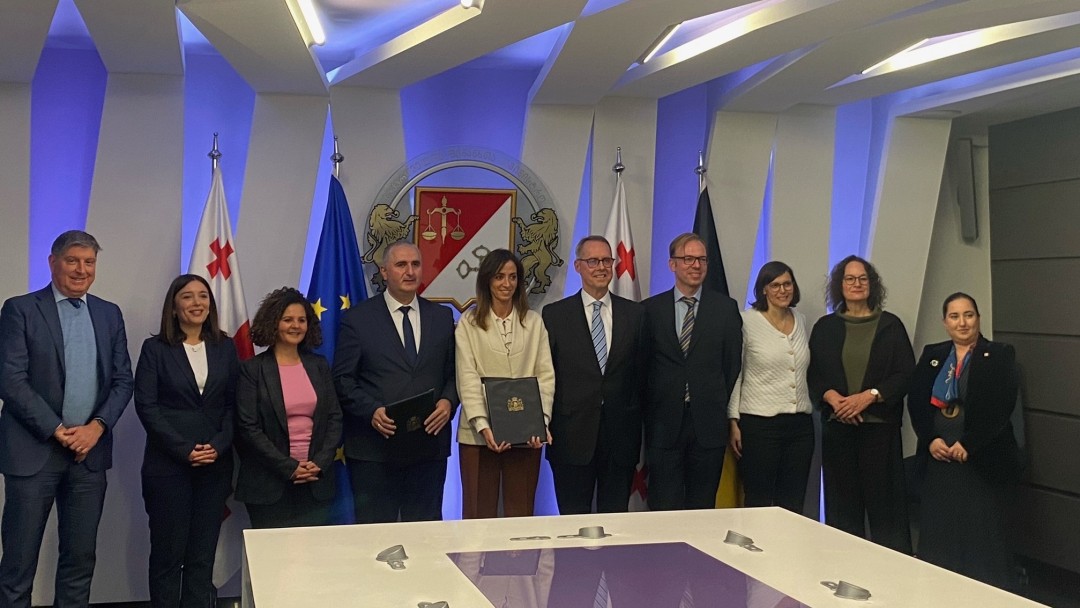
The new reform program “Green Transition for Georgia” is another example of how further alignment with the EU policies is being put into practice, and a clear commitment by the Georgian Government to pursue its European way.
On 24 November 2023, the German Ambassador Peter Fischer, the French Ambassador Sheraz Gasri as well as representatives of KfW and Agence Française de Développement (AFD), the German Ministry of Economic Cooperation and Development (BMZ) and the EU through the European Delegation to Georgia, signed a joint agreement on the multi-year green reform program with the Georgian Government.
The reform program focuses on “green” topics such renewable energy, green hydrogen, carbon pricing, smart mobility and sustainable finance. It is designed as a policy-based lending approach whereby Georgia benefits from concessional budget financing for successfully implementing EU policies, aligning the country more and more with EU legislation.
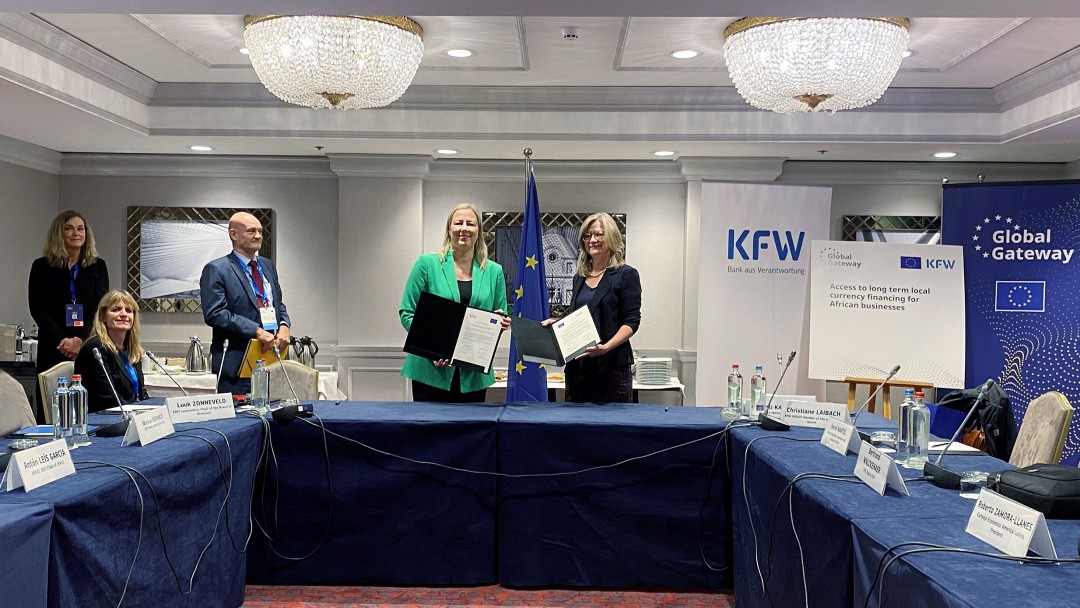
On 26 October 2023, KfW Board Member Christiane Laibach signed, together with Jutta Urpilainen, EU Commissioner for International Partnerships, a guarantee framework agreement amounting to EUR 100 million under the EFSD+ (European Funds for Sustainable Development). The framework agreement is used to implement a project with the African Local Currency Bond Fund (ALCBF).
The fund founded in 2012 by KfW on behalf of the federal government, supports the development and expansion of African bond markets in local currently. It serves as an anchor investor in local-currency bonds of African companies raising capital via the respective local bond market. The ALCBF’s task is to attract private investors to holdings in issues. By the end of 2022, the fund registered 47 active bond investments in 16 countries totalling approximately USD 148 million. KfW holds on fiduciary basis an issue amounting to EUR 92.6 million in total.
Through the framework agreement granted by the EU, KfW will give guarantees to lenders of the ALCBF and this way it will support the fund in raising capital in local currency on the one hand and diversify its sources of financing as well reduce its refinancing costs on the other hand. Ultimately by means of European support, the fund will be enabled to expand its business activities and hence its developmental impact.
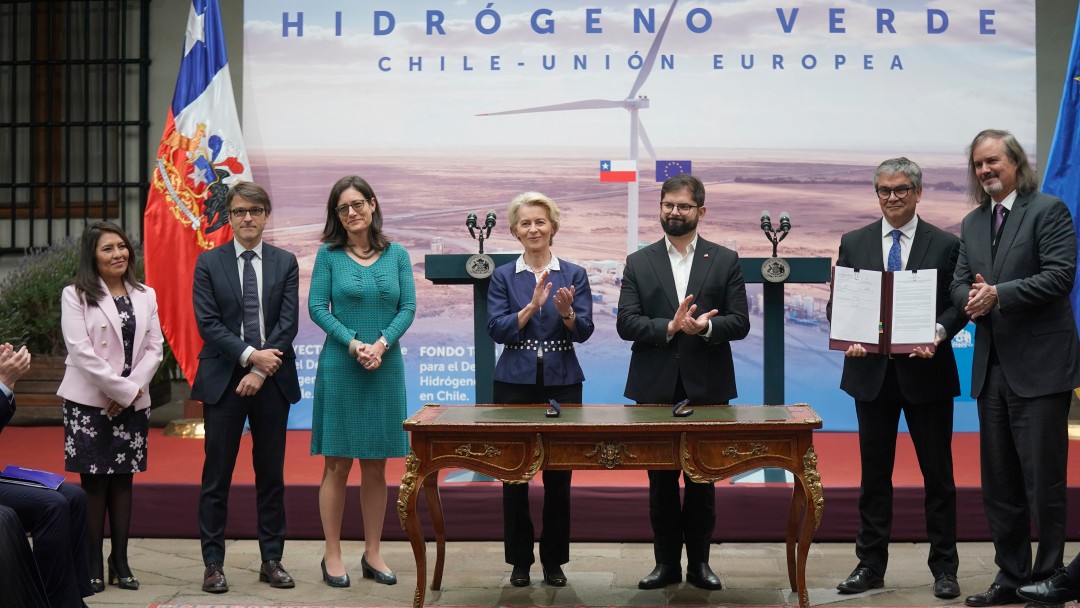
Chile has excellent conditions for using solar and wind power to generate energy and hence a high potential for the cost-effective and sustainable production of green hydrogen. By 2030, the country strives towards becoming the world’s cheapest provider of the ‘fuel for the future’. The Chilean government is now supported by the EU and KfW. In June 2023, the Team Europe Renewable Hydrogen Funding Platform for Chile was launched at the highest political level by EU-Commission President Ursula von der Leyen and Chilean state president Gabriel Boric. The development of the green hydrogen economy in Chile will be driven forward, taking social and ecological interests into account, by means of a financial contribution of EUR 216 million in total, under the leadership of KfW. The project is being implemented by the Chilean Economic Development Agency (CORFO), which will use the funding for the development of specific projects for the production and use of hydrogen based on renewable energy.
On the whole, the joint commitment of the EU, the European Investment Bank (EIB) and KfW (on behalf of the German government) is an essential contribution to implementing the EU’s 'Global Gateway' investment and connectivity strategy in collaboration with Chile. KfW supports the EU as an implementing partner and brings their long-standing expertise to bear as a development bank with a worldwide network of local and regional offices. With our European JEFIC-partners (AFD, AECID, BGK and CDP) we pool our potential to jointly offer the best solutions for development cooperation.
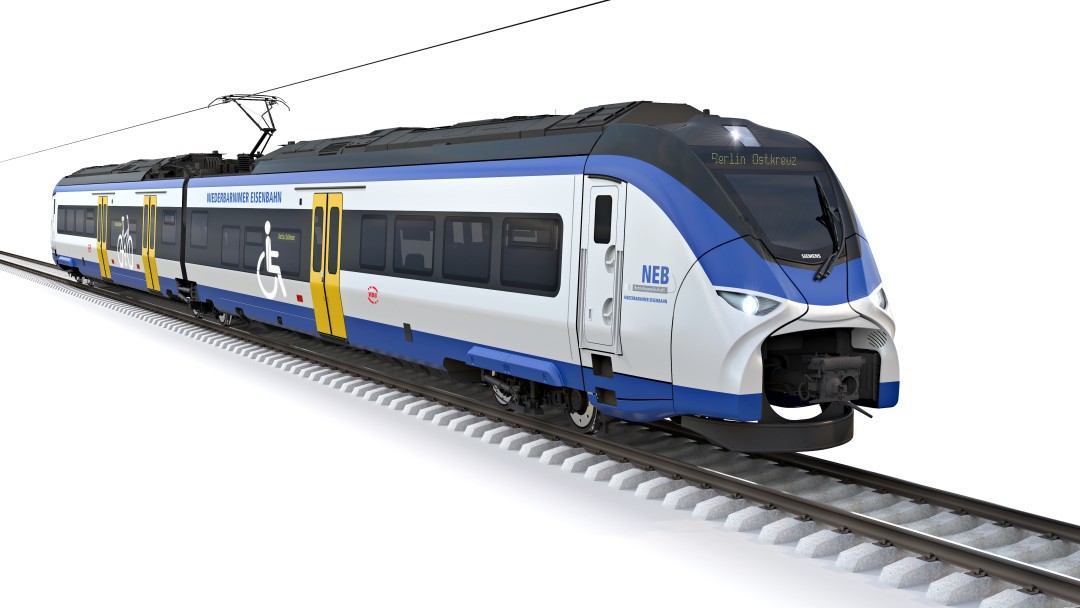
A zero-carbon future is on the horizon for regional trains between Berlin and the surrounding Brandenburg area. The railway company Niederbarnimer Eisenbahn (NEB) plans to replace diesel locomotives with the first battery-powered trains from December 2024. It has ordered 31 new Mireo Plus B trains from Siemens for the ten East Brandenburg lines between Berlin and the Polish border.These trains will use the overhead contact lines on electrified sections of the route to charge the batteries and power the trains on non-electrified sections. They are therefore extremely energy efficient and do not generate air pollution, especially compared to the diesel trains currently in use. As soon as the railway’s electricity comes entirely from renewable sources, the trains will run on zero emissions.The European Investment Bank (EIB) is financing the project with an investment loan of up to EUR 95 million for the development and purchase of the trains. The European Commission is supporting the project with funds from the Connecting Europe Facility (CEF) for Transport and the NER programme.
This railway project is one of the first operations to fully meet both the climate and sustainability goals of the EU promotional bank. The EIB funds will be pooled together with around EUR 70 million from KfW IPEX-Bank and up to EUR 34 million from NordLB into a special purpose vehicle under the umbrella of Alpha Trains.
KfW Stories
As of July 2026
Share page
To share the current page content with your network, click the button below and then select the desired option in the dialog box.
Note on data protection: By clicking the button, your browser's sharing function is used. If you select an external provider when sharing, personal data may be processed by the provider. Please read our data protection principles for more information.
Your browser does not support sharing with external services.
Alternatively, you can also copy the short link: https://www.kfw.de/s/enkBbs2p
Copy link Link copied