
Press Release from 2026-02-11 / Group, KfW Research
KfW Research: Small and medium-sized enterprises are increasingly using artificial intelligence
- 20 per cent of small and medium-sized enterprises are using artificial intelligence (AI)
- Larger and internationally active businesses are most likely to use AI
- Businesses with research and development activities are most active in this field
The proportion of small and medium-sized enterprises in Germany that use artificial intelligence (AI) has grown strongly in recent years. Whereas between 2016 and 2018 a mere four per cent of SMEs used AI, that proportion was already 20 per cent between 2022 and 2024. In absolute figures, that was just under 780,000 businesses. Companies with more than 50 employees are most likely to be at the forefront. Thirty-six per cent of these businesses now use AI, after only six per cent between 2016 and 2018. Notably, however, a share of 19 per cent of small businesses with fewer than five employees also used AI in the years 2022 to 2024.
These are some of the findings of a special analysis of the KfW SME Panel, a representative annual survey of start-ups in Germany. Artificial intelligence refers to computer systems or software programs that are capable of performing tasks and improving independently.
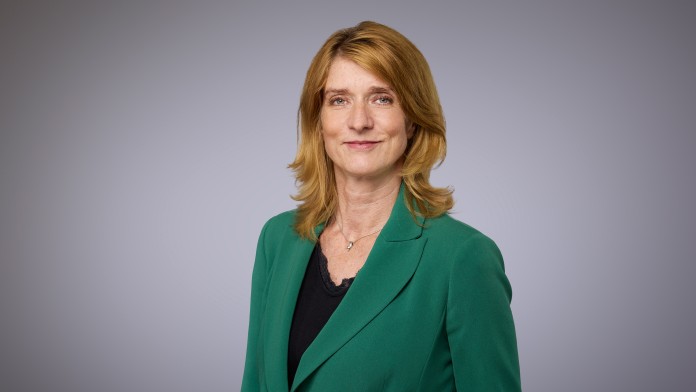
More and more small and medium-sized enterprises recognise that they must address the topic of artificial intelligence to avoid falling behind in the future. That is a positive development
, said Dr Dirk Schumacher, Chief Economist of KfW. Demographic change and the resulting depletion of skills alone is forcing enterprises to familiarise themselves with the potential which AI offers.
In terms of economic sectors, knowledge-based services account for the highest share of AI users, a 28 per cent. Advertising and market research, information services and management consultancy are some of the areas where AI is used intensively. A relatively high share of manufacturing businesses with intense research and development activities – 23 per cent – also use AI applications. Artificial intelligence is least likely to be used in the construction industry, where it is used by only eight per cent of businesses.
Overall, businesses that conduct research and development (R&D) are almost three times more likely to use AI than those without R&D, at 53 per cent. Another factor that plays a role is how intensively and systematically a business incorporates digitalisation, as the likelihood of AI use increases in those that pursue a digitalisation strategy.
Also relevant is whether or not a business is internationally active. An internationally active enterprise is almost twice as likely to use AI as a business whose sales market does not go beyond a radius of 50 km from its location.
Businesses that are internationally active tend to be under greater competitive pressure than regionally active ones. For them, early adoption of new technologies is particularly important to remain competitive
, said Dr Dirk Schumacher, Chief Economist of KfW.
The study can be found at Focus on Economics | KfW
KfW supports SMEs with a number of promotional programmes on behalf of the Federal Government. More information is available at We are strengthening the SME sector (German page).
Share page
To share the current page content with your network, click the button below and then select the desired option in the dialog box.
Note on data protection: By clicking the button, your browser's sharing function is used. If you select an external provider when sharing, personal data may be processed by the provider. Please read our data protection principles for more information.
Your browser does not support sharing with external services.
Alternatively, you can also copy the short link: https://www.kfw.de/s/enkBbm2w.DXEA
Copy link Link copied