
Press Release from 2025-10-15 / Group, KfW Research
KfW Research: One in three small and medium-sized enterprises offers to keep older workers on their payroll
- Demographic change will cause Germany’s workforce to shrink by around 9.4 per cent by 2035
- Large enterprises are better positioned to offer flexible models for older workers
- Active retirement is to create additional incentives to remain in the workforce for longer and mitigate skills shortages
Against the backdrop of demographic change and growing skills shortages, it is becoming increasingly important to retain older workers in the workforce. A special survey conducted as part of the KfW SME Panel in September revealed that around one third (32.4 per cent) of small and medium-sized enterprises (SMEs) in Germany are generally enabling workers to remain employed with them after reaching statutory retirement age.
That share varies greatly by enterprise size and industry. Whereas 71 per cent of companies with 50 and more employees make such offers, only 26 per cent of micro-businesses with fewer than five employees do so. Due to the nature of the sector, manufacturing firms are more likely to offer continued employment than, for example, the construction industry.
The labour market participation of older workers in Germany has grown considerably over the years. The labour force participation rate of 65 to 69-year-olds increased from 14 per cent in 2014 to 21 per cent in 2024 – a level that far exceeds the EU average. The main reason is the gradual increase in the retirement age to 67 years. Nonetheless, demographic change is likely to cause the working-age population to decline by some 9.4 per cent by 2035 while the number of older people is growing significantly. This is exacerbating the shortage of skilled labour, which is already compromising business operations in one third of enterprises.
In this context, the active retirement plan is gaining importance. It is to allow older workers to earn up to 2,000 euros a month tax-free on top of their pension. It will not apply to workers in mini-jobs, self-employed persons, public servants and early retirees. The aim of the Federal Government is to create financial incentives for people to work for longer and ease the strain on the labour market. The active retirement scheme is to take effect at the beginning of next year.
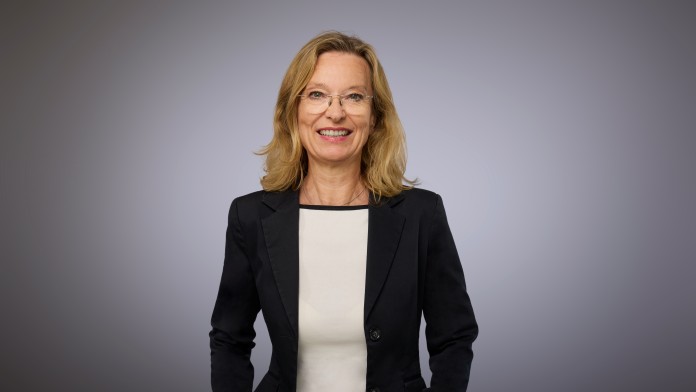
Keeping older workers on the payroll is already an established tool in many businesses. Active retirement can make an important contribution by creating additional incentives and thereby addressing skills shortages,”
said Kathrin Schmidt, author of the study at KfW Research.
Smaller businesses in particular exhibit potential for expanding their offering.
Further information and the full study are available at: www.kfw.de/fokus
Share page
To share the current page content with your network, click the button below and then select the desired option in the dialog box.
Note on data protection: By clicking the button, your browser's sharing function is used. If you select an external provider when sharing, personal data may be processed by the provider. Please read our data protection principles for more information.
Your browser does not support sharing with external services.
Alternatively, you can also copy the short link: https://www.kfw.de/s/enkBbm2w.DTlA
Copy link Link copied