
Press Release from 2025-07-15 / Group, KfW Research
KfW Research: Ageing of SME entrepreneurs hampers investment
- Older owners are less likely to invest in their companies and accept a loss in value
- Demographic change is leading to lasting investment backlog
- Entrepreneurs become significantly more willing to invest when they have solved the succession question
Older business owners invest significantly less than younger ones. Between 2004 and 2023, the average annual difference in corporate investment between the lowest and highest age groups was 20 percentage points: While SMEs with owners under 40 invested 58 percent on average, those with older owners over 60 only invested 38 percent. According to a special evaluation by KfW’s SME panel, the investment gap between generations was at its highest in 2007, at 30 percentage points.
This assessment has thus not changed much over the years. However, this is becoming increasingly problematic due to demographic developments: Entrepreneurs in Germany are getting older, and there is a lack of young talent. The average age of owners of SMEs is over 54 years, compared to 45 years in 2003. At 54 percent, more than half of SME owners in Germany are 55 years or older, which is close to 2 million. Twenty years ago, it was only 20 percent.
The group of companies that invest more cautiously due to relatively high owner age is gradually growing. The overall impact on investments in SMEs is therefore increasing,"
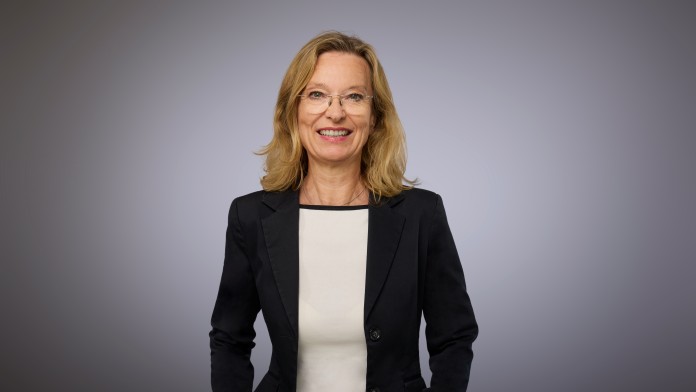
says Dr Dirk Schumacher, Chief Economist at KfW.
Many companies are running on wear and tear. Germany cannot afford this in the long run.
The ageing is particularly pronounced in the construction industry and in knowledge-intensive services such as tax consultants or lawyers. In 2003, 35 per cent of the owners of companies in the construction industry were under 40, compared to 11 per cent in 2024. By contrast, the proportion of bosses over 60 years increased from 14 to 34 percent over the period.
In 2003, 29 percent of the owners of knowledge-based services were younger than 40, but now the figure is just 9 percent. 42 percent are over 60 years old, compared to just 10 percent in 2003. In a regional comparison, the ageing of entrepreneurs in Western Germany is somewhat more pronounced than in Eastern Germany. In addition, small SMEs are more significantly affected than larger ones.
There are several reasons why older entrepreneurs are less willing to invest. It is much more uncertain for older owners than for younger ones whether an investment will still pay off. In addition, older entrepreneurs are reluctant to take out loans because they do not want to make long-term financial commitments.
An unresolved successor issue is also a major obstacle to investment. This is also evident in the fact that it has a very positive effect on the willingness to invest if an entrepreneur is already in negotiations with a potential successor. On average, all medium-sized companies invested EUR 8,400 per employee between 2007 and 2024. However, entrepreneurs looking for a successor within five years invested only 7,300 euros per employee. If there were already discussions with potential successor candidates, this amount increased to 16,400 euros and even to 21,900 euros if a successor had already been found.
We need to create framework conditions that make it more attractive for young people to take over existing companies. If older entrepreneurs have better prospects of finding successors, they will also invest more,"
says Dr Dirk Schumacher.
The study can be found at Focus on Economics | KfW
KfW supports SMEs with numerous promotional programmes on behalf of the German Federal Government. For more information, see We strengthen SMEs (in German).
Share page
To share the current page content with your network, click the button below and then select the desired option in the dialog box.
Note on data protection: By clicking the button, your browser's sharing function is used. If you select an external provider when sharing, personal data may be processed by the provider. Please read our data protection principles for more information.
Your browser does not support sharing with external services.
Alternatively, you can also copy the short link: https://www.kfw.de/s/enkBbm2w.DRZA
Copy link Link copied