
Press Release from 2025-03-11 / Group, KfW Research
KfW Research: Demographic change is putting SMEs under pressure
- Nearly 60 per cent of SMEs expect recruitment problems in the future
- Among other measures, affected businesses are planning to reduce order volumes in response to skilled labour shortages
- Thirty-three per cent of SMEs even see their survival under threat due to lack of skilled workers
The demographic development in Germany is creating major challenges for small and medium-sized enterprises. Fifty-eight per cent of all SMEs anticipate problems filling vacant positions in the next five years. Of these enterprises, some 40 per cent believe it is likely or very likely that they will take fewer orders in the future as a result of the labour shortage. A good one third of affected businesses also expect to reduce output, opening times or accessibility in the future.
These are the findings of a special analysis conducted under the KfW SME Panel of September 2024. KfW Research surveys small and medium-sized enterprises from all economic sectors for the panel each year.
On average, the surveyed enterprises expect the working age population to decline by 8.2 per cent in the next ten years. In eastern Germany and rural regions, businesses have significantly more pessimistic expectations, at - 13.1 per cent and - 9.0 per cent, than those in western Germany, at - 7.1 per cent, and in urban areas, at - 7.6 per cent.
Thirty-three per cent of SMEs even see their survival under threat in the medium to long term because of the labour shortage. Small businesses in particular expressed this concern.
In order to address the growing skilled labour shortage, almost eight in ten businesses that expect hiring problems in the next five years want to improve their attractiveness as an employer. To achieve this, they are focusing on monetary incentives. Sixty-seven per cent mentioned that they were likely or very likely to increase wages. The majority of the affected SMEs also plan to offer more flexible working times or working locations (59 per cent) or more professional development opportunities (53 per cent). In addition, 45 per cent of enterprises plan to take steps to raise their visibility.
At the same time, only a small share of SMEs, 22 per cent, plan to expand child daycare services. A better work-life balance is an important feature of employer attractiveness. Recruiting labour from abroad is on the minds of 25 per cent of SMEs.
In light of the sweeping demographic change, the efforts undertaken by enterprises alone will not be enough to alleviate the looming shortages in the labour market. It is imperative for education and economic policy to contribute towards easing the shortage of workers and skilled labour”,
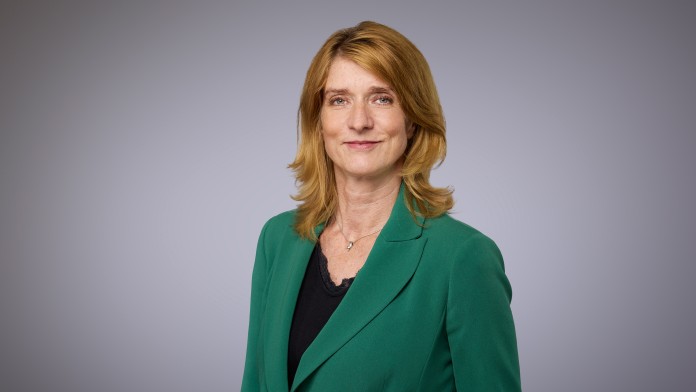
said Dr Elisabeth Grewenig, economist at KfW Research.
One key starting point for policy, for example, is to strengthen education and training pathways. Too many young people today have no vocational qualifications. Another decisive approach is to increase on-the-job professional development options so that the skills of the workforce can keep pace with the evolving requirements of the labour market.
The full study can be found at Focus on Economics | KfW
KfW supports SMEs with a number of promotional programmes on behalf of the Federal Government. More information is available at Our promotional offering for companies | KfW
Share page
To share the current page content with your network, click the button below and then select the desired option in the dialog box.
Note on data protection: By clicking the button, your browser's sharing function is used. If you select an external provider when sharing, personal data may be processed by the provider. Please read our data protection principles for more information.
Your browser does not support sharing with external services.
Alternatively, you can also copy the short link: https://www.kfw.de/s/enkBbm2w.DNfA
Copy link Link copied