
Tip: Activate javascript to be able to use all functions of our website
Tip: Activate javascript to be able to use all functions of our website
Climate action
KfW at COP30 in BelémAt the UN Climate Change Conference COP30 in Belém, Brazil (10 to 22 November 2025), representatives of governments, international organisations, scientists, non-governmental organisations and other interest groups exchanged views on measures to combat climate change. COP30 is taking place 10 years after the Paris Climate Conference, at which the international community decided to limit global warming to 1.5 degrees Celsius.
The aim of the conference was to further develop the new global climate finance target for the period up to 2035. In addition, a new global adaptation target was to be agreed and associated impact indicators defined. Furthermore, the Brazilian COP30 presidency will advocate for the protection of tropical forests.
As a bank committed to responsibility, KfW participated in this year's Climate COP with a delegation from its Executive Board and various business areas. On site, the delegation members played an active role in discussion rounds, specialist events, lectures and other occasions. In this way, they are contributing to strengthen global efforts to combat climate change.

This year's climate negotiations took place in Belém, Brazil, with less momentum than previous climate summits. Geopolitical crises, disrupted trade relations, economic stagnation, and empty public coffers are reducing the potential for increased ambition in the fight against climate change.
The challenges remain. The 1.5-degree target seems to have been missed, but the motto is “every 10th of a degree counts” – a less ambitious climate target was therefore not part of the discussion. The economic damage caused by climate change continues to rise. Climate disasters hit the poorest countries particularly hard. The trillion-dollar funding gap for combating climate change and its consequences remains. The window of opportunity for an orderly transformation is narrowing.
COP30 was associated with hopes that were also linked to the symbolic nature of this climate summit: ten years after Paris; venue in the Brazilian rainforest “in the heart of the Earth's lungs.” Ultimately, these hopes were only partially fulfilled. Neither a concrete roadmap for phasing out the use of fossil fuels nor a halt to rainforest deforestation could be agreed upon. Increased contributions for global climate financing also failed to gain majority support. Instead, (minor) successes were achieved in monitoring the implementation of existing climate protection agreements. Climate adaptation - i.e., dealing with the consequences of climate change - is coming to the fore. A decision was made to triple the funding for such measures.
The COP in Belém succeeded in giving particularly vulnerable stakeholders a greater voice. A just transition, including the appropriate handling of loss and damage caused by climate disasters (Fund for Responding to Loss and Damage, FRLD), is one of the positive outcomes of the negotiations. The importance of protecting the rainforest and its indigenous population, as well as the link between biodiversity and climate change, have also gained greater recognition. Part of this is certainly due to the Brazilians' “pet project” initiated at the COP, the Tropical Forest Forever Facility (TFFF), which will compensate countries for preserving tropical rainforests in the future.
The UN process is laborious – in particular, the requirement for unanimous agreement on outcomes makes compromise difficult. However, it is currently the most effective instrument for reaching global agreements. Growing frustration could lead to the formation of “coalitions of the willing,” while political and social pressure on nations that are holding back could continue to increase. At least the existing overarching goals have been retained. At the same time, the economic advantages of the sustainability transformation are becoming clearer alongside the ecological ones. Countries such as China are confidently demonstrating the economic potential of expanding green technology, regardless of international climate negotiations and their outcomes.
For COP31 next year in Turkey, there is still hope that the hardened fronts will dissolve and the willingness to compromise will increase. KfW will continue to advance its commitment on behalf of the German government in line with the one-bank concept and will also be actively involved in COP31.
KfW finalised a series of financing and loan agreements that promote climate and environmental protection in Brazil and Latin America. The focus is on protecting the Amazon region, supporting indigenous populations, and promoting sustainable urban mobility and renewable energies. KfW will conclude financing agreements on site that will also benefit German companies in Brazil.
At COP30 in Belém, KfW CEO Stefan Wintels said that protecting the planet is essential for the future economic and political stability of industrialized nations such as Germany.
“The Paris climate targets and the strengthening of the German economic area go very well together. We just have to do it right and take the opportunities of the rapidly growing market for sustainable technologies,” said Wintels. He added that Germany is in a better starting position than almost any other country in this regard. At the same time, Wintels emphasised that rich countries must support poorer economies in protecting habitats such as the Amazon.
More than 50 per cent of the world's forest area has already been destroyed, and biodiversity is declining every day. This issue also concerns us in Europe.
Dr Andrea Hauser, member of the Executive Board of KfW Development Bank, presented the report on Smart Buys published on the occasion of COP30 together with the Inter-American Development Bank, the COP host country Brazil represented by the Ministry of Health, and the World Bank.
The report is the first product of a working group established in 2024 under the Development Banks Working Group on Climate and Health, in which numerous multilateral and bilateral development banks, including KfW Development Bank, participate. The report focuses on highlighting effective approaches at the interface between health and climate adaptation as a guide for partner countries.
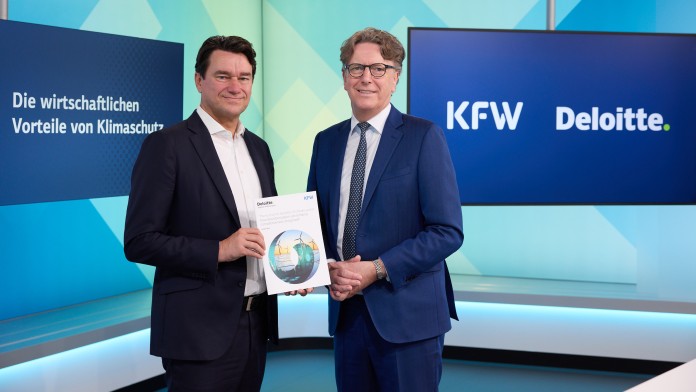
On 27 October 27 2025, KfW CEO Stefan Wintels held a press briefing to present a joint study “The economic benefits of climate action” by KfW Research and Deloitte.
Climate action creates opportunities for competitiveness and resilience for companies, as shown by a study from KfW Research and Deloitte. The global market for clean technologies is growing rapidly and, if current trends continue, will double in less than ten years. In Germany, the clean technology sectors are well positioned, accounting for 13% of global green tech exports. Through ambitious climate action, companies can also benefit from a better risk position and greater resilience due to reduced dependence on volatile energy and CO₂ prices, from cost savings thanks to falling prices for renewable energy and storage, as well as from favorable financing opportunities in light of regulatory requirements and growing interest in sustainable investments. In the short term, however, some challenges must be overcome. The study recommends targeted economic policy measures to ensure that these opportunities can be realized.
Presentation “The economic benefits of climate action”

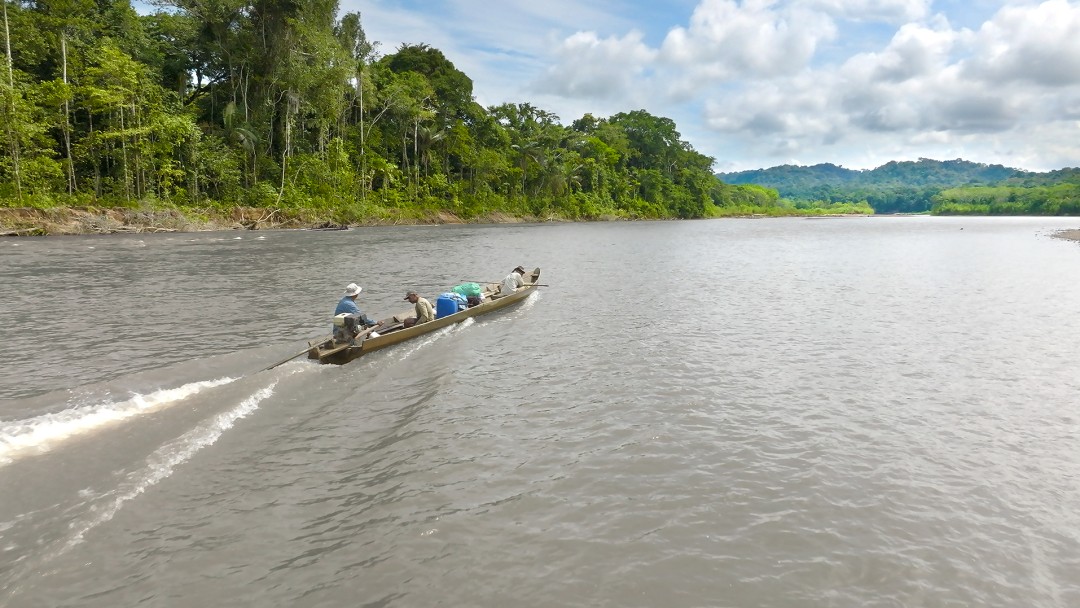
In November 2025, the world's attention will turn to Belém, the gateway to the Amazon. For the first time in history, the UN Climate Change Conference will take place in the heart of the world's largest rainforest – where, for decades, people like Chico Mendes have risked their lives to protect nature.
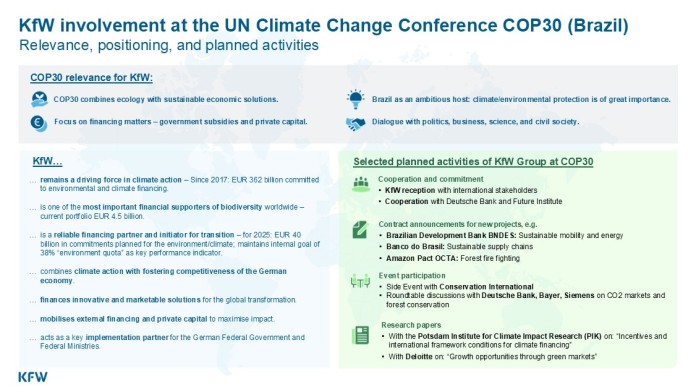
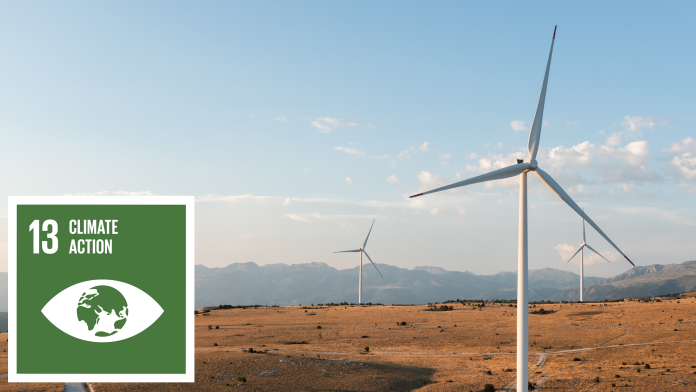
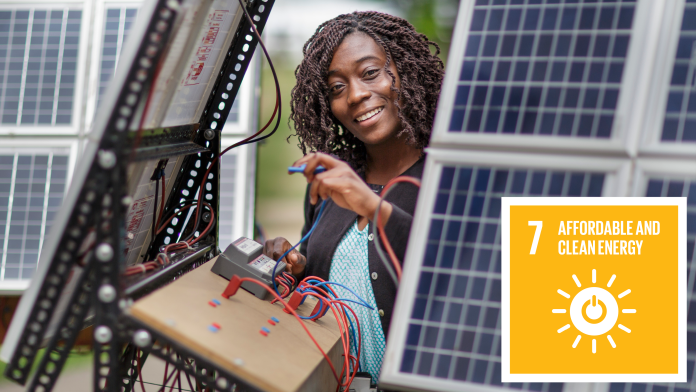
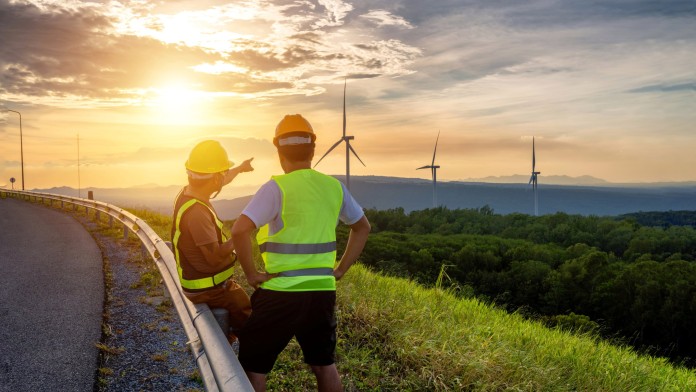
KfW plays a significant role in financing projects for sustainable development and climate action. By further developing and redesigning its promotional products, processes and partnerships, KfW is breaking new ground – and helping to shape future trends. For example, KfW offers domestic promotional programmes for climate-friendly residential buildings, climate action measures in companies and venture capital activities. It is committed to climate and environmental protection abroad through its KfW Development Bank business unit and its subsidiaries DEG and KfW IPEX-Bank. In Germany, it promotes sustainable housing construction and supports small and medium-sized enterprises as well as innovative and technology companies in areas such as the circular economy and electromobility. Abroad, it strengthens partner countries and the German and European export economy, particularly in the areas of renewable energies, energy efficiency, biodiversity protection, environmentally friendly mobility and climate adaptation.
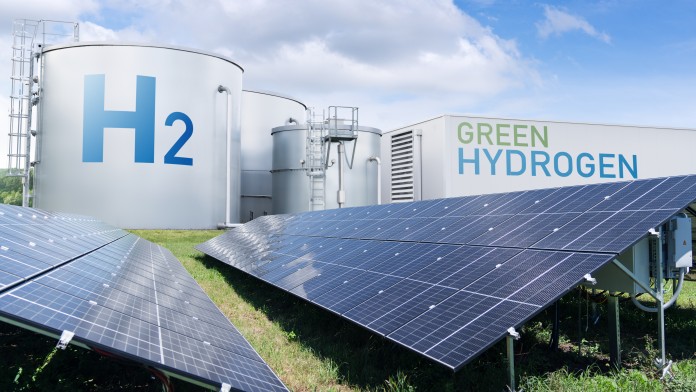
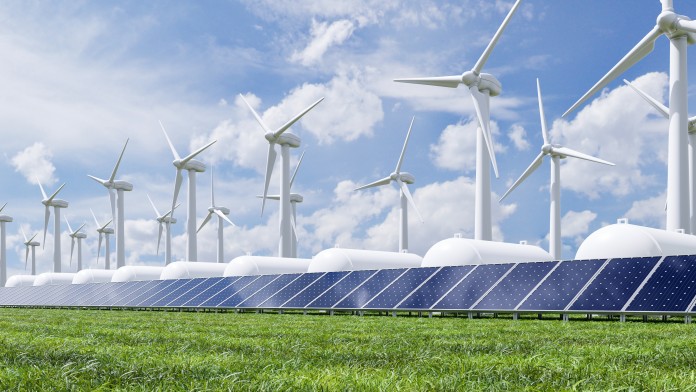
KfW promotes the use of green hydrogen worldwide, focussing on technologies known as ‘Power to X’, which use electricity generated from wind or solar power.
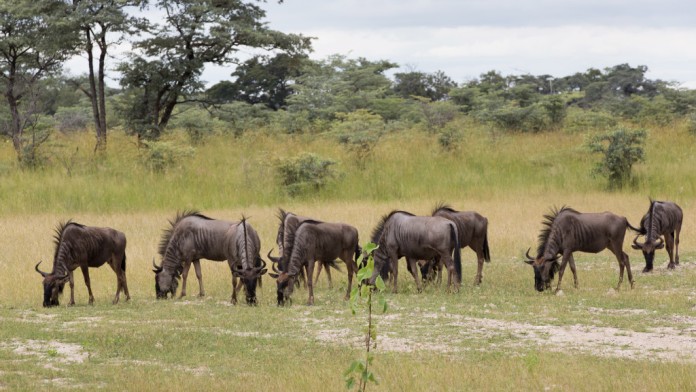
KfW is strongly committed to preserving biological diversity. It is one of the most important international biodiversity donors worldwide.
As of 24 November 2025
Share page
To share the current page content with your network, click the button below and then select the desired option in the dialog box.
Note on data protection: By clicking the button, your browser's sharing function is used. If you select an external provider when sharing, personal data may be processed by the provider. Please read our data protection principles for more information.
Your browser does not support sharing with external services.
Alternatively, you can also copy the short link: https://www.kfw.de/s/enkB8ep1
Copy link Link copied