
Press Release from 2026-10-29 / KfW Research
KfW Research: Businesses can access bank loans a bit more easily again
- Small and medium-sized as well as large enterprises report that loans have become easier to negotiate than in the previous quarter, but banks continue to be more restrictive than usual
- Large enterprises are showing greater interest in loans again; SMEs remain very reluctant
In the third quarter of 2026, businesses in Germany were able to obtain loans somewhat more easily again. To be sure, just under 36 per cent of SMES still perceived banks’ approach to loan negotiations as restrictive – a significantly higher share than the average over the past years. But that was almost five percentage points fewer than in the previous quarter. Accessing credit became easier for large enterprises as well. A good 27 per cent of surveyed enterprises complained that their banks had adopted restrictive lending policies. In the previous quarter, that was almost six percentage points more.
These are the findings of the KfW ifo Credit Constraint Indicator. Every quarter, KfW analyses the data collected in the economic surveys of the ifo Institute by size classes and economic sectors.
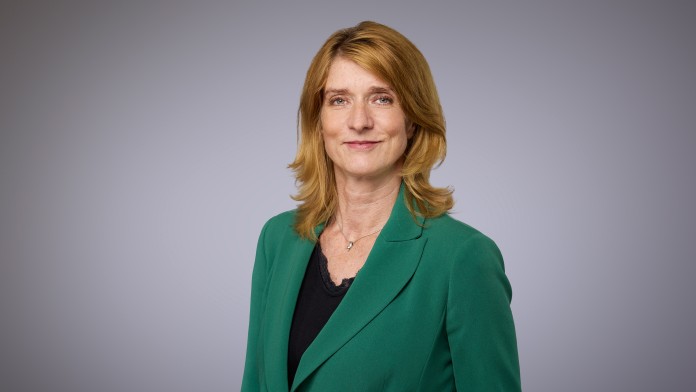
The prospect of a more auspicious economic situation is undoubtedly causing banks to look more favourably upon some businesses when negotiating loans. But the credit barriers remain on a high level. We need a persistent phase of economic recovery in order for banks to radically ease their lending policies. KfW expects 1.5 per cent growth next year. The conditions for a positive economic development are in place,
said Dr Dirk Schumacher, Chief Economist of KfW.
Demand for loans was mixed in the third quarter. The proportion of large enterprises that were in talks with banks for loans rose by 3.1 percentage points to 30.6 per cent. By contrast, only just under 19 per cent of small and medium-sized enterprises were interested in taking up a loan. That was a slight drop on the previous quarter and the lowest rate since the summer of 2021.
There is an ongoing downward trend in the demand for bank loans among SMEs. The main reason businesses gave for this is that they do not want to incur debt. Uncertainty about where the economy is headed plays a role in this. Other factors preventing them from borrowing are that business owners are ageing and succession arrangements are unclear,
said Dr Dirk Schumacher, Chief Economist of KfW.
The current edition of the KfW ifo Credit Constraint Indicator is available at: KfW ifo Credit Constraint Indicator.
KfW supports SMEs with a number of promotional programmes on behalf of the Federal Government. More information is available at We are strengthening the SME sector (German page).
Share page
To share the current page content with your network, click the button below and then select the desired option in the dialog box.
Note on data protection: By clicking the button, your browser's sharing function is used. If you select an external provider when sharing, personal data may be processed by the provider. Please read our data protection principles for more information.
Your browser does not support sharing with external services.
Alternatively, you can also copy the short link: https://www.kfw.de/s/enkBbm2w.DeeA
Copy link Link copied