
Press Release from 2026-04-29 / Group, KfW Research
KfW Research: More than one third of SMEs report difficult loan negotiations
- Financial institutions continue to apply more restrictive lending criteria than usual
- SMEs’ demand for loans also remains subdued, with only 21 per cent of businesses conducting loan negotiations in the first quarter
The wait for a significant revival in loan demand continued in the first quarter of 2026. To be sure, the share of small and medium-sized businesses discussing loans with banks edged up slightly by 0.8 percentage points for the second quarter in a row. At 21 per cent, however, the proportion of SMEs that were interested in borrowing remained well below the long-term average. The share of large enterprises in loan negotiations was 28.6 per cent – 2.9 percentage points fewer than in the final quarter of 2025.
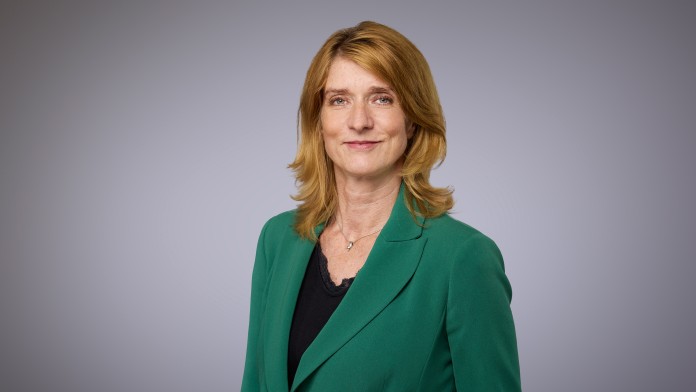
So far, we see no signs of a revival in corporate investment activity in the credit market. There is simply too much uncertainty about the many geopolitical crises and the difficult economic situation in Germany
, said Dr Dirk Schumacher, Chief Economist of KfW.
What is also true, however, is that more and more SMEs are not using bank loans at all to fund investments but their own funds, among other sources.
Of the SMEs that were in loan negotiations in the first quarter, 34 per cent reported difficult talks, 3.8 percentage points fewer than in the previous quarter. This shows that the situation has eased slightly, although banks remain more restrictive than usual. Difficult loan negotiations were reported by 29.1 per cent of large enterprises, almost the same share as in the previous quarter.
These are the findings of the KfW ifo Credit Constraint Indicator. Every quarter, KfW analyses the data collected in the economic surveys of the ifo Institute by size classes and economic sectors.
Wholesale SMEs, in particular, viewed bank lending policies as restrictive, with 42.6 per cent of businesses deploring difficult loan negotiations, followed by 41.9 per cent of retail SMEs. The proportion of large retail enterprises that described banks as reluctant to lend to them even stood at 44.7 per cent.
It is entirely possible that the current uncertain political and economic environment means loan negotiations will become even more difficult for many businesses. This will be the case particularly if businesses increasingly apply for loans to meet unplanned higher costs arising from the current situation
, said Dr Dirk Schumacher, Chief Economist of KfW.
The current edition of the KfW ifo Credit Constraint Indicator is available at: KfW ifo Credit Constraint Indicator
KfW supports SMEs with a number of promotional programmes on behalf of the Federal Government. More information is available at We are strengthening the SME sector (German page)
Share page
To share the current page content with your network, click the button below and then select the desired option in the dialog box.
Note on data protection: By clicking the button, your browser's sharing function is used. If you select an external provider when sharing, personal data may be processed by the provider. Please read our data protection principles for more information.
Your browser does not support sharing with external services.
Alternatively, you can also copy the short link: https://www.kfw.de/s/enkBbm2w.DZyA
Copy link Link copied