
Press Release from 2026-04-06 / Group, KfW Research
KfW Research: Germany is seeing a sharp rise in entrepreneurial activity
- Number of entrepreneurs rose to 690,000 in 2025, after 585,000 in the previous year
- Number of part-time entrepreneurs rose to a record-high 70 per cent
- Trend might be due in part to the weak labour market
Entrepreneurial activity in Germany surged last year. Start-up intensity increased from 115 to 136 newly founded businesses per 10,000 people aged 18 to 64 years. Extrapolated to the population of this age group, that was around 690,000 entrepreneurs after 585,000 in 2024.
The positive development was significantly driven by newly founded part-time businesses. Compared with the previous year, the intensity of part-time start-up activity increased from 75 to 95 per 10,000 people. That amounts to around 483,000 newly founded part-time businesses in 2025 after 382,000 in the previous year. The intensity of full-time start-up activity, on the other hand, was virtually unchanged for the third year in a row, at 41 per 10,000 people. That rate amounts to 206,000 full-time start-ups in 2025. As a result of the differing trend, the share of newly founded part-time businesses in start-up activity rose to an unprecedented 70 per cent in 2025.
These are some of the findings of a preliminary analysis of the KfW Entrepreneurship Monitor, a representative survey of the population. Around 30,000 telephone interviews and an additional 20,000 online interviews were conducted for it in 2025. The term business founder is defined broadly to include individuals that have become self-employed on a full-time or part-time basis as freelancers or business owners or by founding, participating in or taking over a business.
The main motive for the respondents to take up part-time self-employment is to earn an additional income.
One reason for the sharp rise in part-time entrepreneurial activity may be the increased cost of living
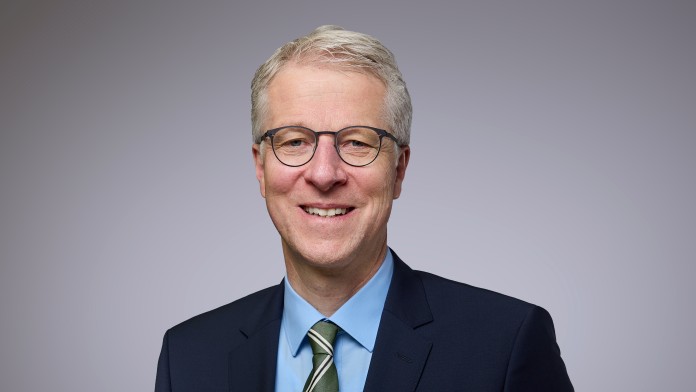
, said Dr Dirk Schumacher, Chief Economist of KfW. Access to the labour market has become more difficult, and even small sideline jobs are no longer easy to find. Starting up a business can be a way to earn additional income.
The majority of founders in Germany, however, want to be their own bosses out of conviction. Two thirds of them generally prefer self-employment to salaried employment. Although that share is lower among part-time than full-time entrepreneurs, it is still clearly the majority and was even higher in 2025 than the previous year.
Last year 24 per cent of newly founded businesses had employees. Solo start-ups predominated at 86 per cent compared with team start-ups. Most start-ups were established from the ground up, in other words, with a new legal and organisational structure. Only ten per cent were acquisitions.
Germany needs young innovative enterprises
, said Dr Dirk Schumacher, Chief Economist of KfW. But Germany also needs a stable business landscape. Around 545,000 SMEs need to find new owners by the end of 2029. It would be incredibly important for Germany as a business location to have more people with enthusiasm to take over an existing business.
The brief analysis is available at Economics in Brief | KfW
Share page
To share the current page content with your network, click the button below and then select the desired option in the dialog box.
Note on data protection: By clicking the button, your browser's sharing function is used. If you select an external provider when sharing, personal data may be processed by the provider. Please read our data protection principles for more information.
Your browser does not support sharing with external services.
Alternatively, you can also copy the short link: https://www.kfw.de/s/enkBbm2w.DY0A
Copy link Link copied