
Press Release from 2021-04-15 / Group
Coronavirus crisis led to a drop in start-up activity in Germany in 2020
- Number of start-ups fell by 11% to 537,000
- Full-time start-ups dropped to a new low of 201,000
- Share of opportunity start-ups grew to 80%
A preliminary evaluation of the KfW Entrepreneurship Monitor shows that start-up activity in Germany declined in the coronavirus year 2020. Compared with 2019, 68,000 fewer persons became their own bosses, launching 537,000 new businesses. The decrease was a good 11%, with both full-time and part-time entrepreneurship dropping significantly. The number of full-time start-ups fell by 12% to 201,000 (-27,000), that of part-time start-ups by 11% to 336,000 (-41,000).
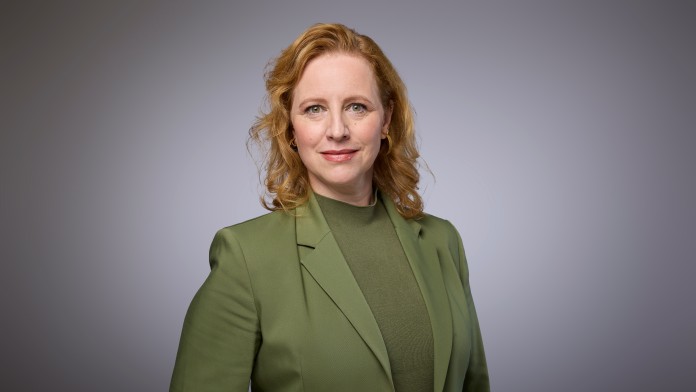
After the rise in start-up activity in 2019, the year 2020 actually showed promise of further growth. The rate of start-up plans, an important indicator of start-up activity in the subsequent year, had increased noticeably. The initially positive outlook for the economy and labour market actually gave reason to hope for more vigorous start-up activity in 2020. But the outbreak of the pandemic dashed these hopes. “The outbreak of the coronavirus crisis was a game changer for many start-ups. Containing the pandemic has called for tough measures that can hardly be planned, creating high economic uncertainty. In this environment, many potential entrepreneurs have put their foray into self-employment on hold. In 2020 the entrepreneur rate dropped to 104 new businesses per 10,000 persons aged 18 to 64 years,” said Dr Fritzi Köhler-Geib, Chief Economist of KfW.
Contrary to expectations, the worsening of labour market conditions caused by the coronavirus crisis did not lead to more “necessity start-ups”. The reverse is true: The analysis by KfW Research shows that start-up entrepreneurs were more likely to start their own business in order to seize a business opportunity. The share of these “opportunity-start-ups” has grown to 80% (2019: 73%). For one thing, many appear to have had the perseverance to realise their start-up idea despite the coronavirus crisis. For another, coronavirus restrictions have been particularly hard on those sectors in which many necessity start-ups typically occur, such as hospitality and retail. This appears to have made necessity start-ups more difficult in the coronavirus year 2020.
The higher share of opportunity start-ups is also evident in start-up size. The share of solo start-ups with employees rose to 19% (2019: 15%). Takeovers and active participations continue to be relatively uncommon pathways into self-employment. Eight in ten new businesses are started from the ground up.
Note:
The new KfW Entrepreneurship Monitor is scheduled to be published in June 2021. The current preliminary evaluation can be retrieved at www.kfw.de/kompakt
The dataset:
The KfW Entrepreneurship Monitor is a representative telephone survey of the population on start-up activity in Germany which has been conducted annually since the year 2000. It is based on the information provided by 50,000 randomly selected persons domiciled in Germany. It covers a broad range of start-ups: full-time and part-time entrepreneurs, self-employed professionals and business owners, new businesses and takeovers. The KfW Entrepreneurship Monitor thus provides a comprehensive picture of entrepreneurial activity in Germany. To find out more, go to www.kfw.de/gruendungsmonitor.
Share page
To share the current page content with your network, click the button below and then select the desired option in the dialog box.
Note on data protection: By clicking the button, your browser's sharing function is used. If you select an external provider when sharing, personal data may be processed by the provider. Please read our data protection principles for more information.
Your browser does not support sharing with external services.
Alternatively, you can also copy the short link: https://www.kfw.de/s/enkBbm2w.CdpB
Copy link Link copied