Production of computer chips

    KfW Research

    Raw materials and resources

    A future-proof structuring of Germany’s supply with mineral raw materials is central to the country’s economic location. In light of growing demand in strategic technologies – ranging from climate protection to defence – the procurement of raw materials as well as their components and products must be ensured in a secure and sustainable manner. The challenge lies in balancing increasing demand and a high degree of dependency. Supply chains for mineral raw materials are often highly concentrated and therefore vulnerable to supply shocks and geopolitical risks. For many raw materials, the German economy is simultaneously highly dependent and significantly reliant on imports from suppliers outside Europe. Sustainability aspects warrant particular attention due to the crucial role played by raw material-extracting countries.

    The analyses and studies conducted by KfW Research address the multifaceted issues surrounding the monumental task of resilient raw material supply. Where do dependencies lie and how can they be mitigated? How can more economic policy autonomy in raw material procurement be achieved in uncertain times? Finally, which instruments and approaches are available in Germany and Europe and how can they be deployed to adequately address this complexity?

    Here is an overview of current KfW Research publications on this topic:

    An overview of all relevant publications from KfW Research

    Around the world, rare earths are being weaponised to exert geopolitical pressure. The EU is largely dependent on imported raw materials and Germany’s high manufacturing share makes it particularly vulnerable. This study shines a spotlight on the future: How realistic are the provisions of the Critical Raw Materials Act for extraction, processing and recycling, where are things moving and where will Germany and the EU remain vulnerable in the foreseeable future? (September 2025)

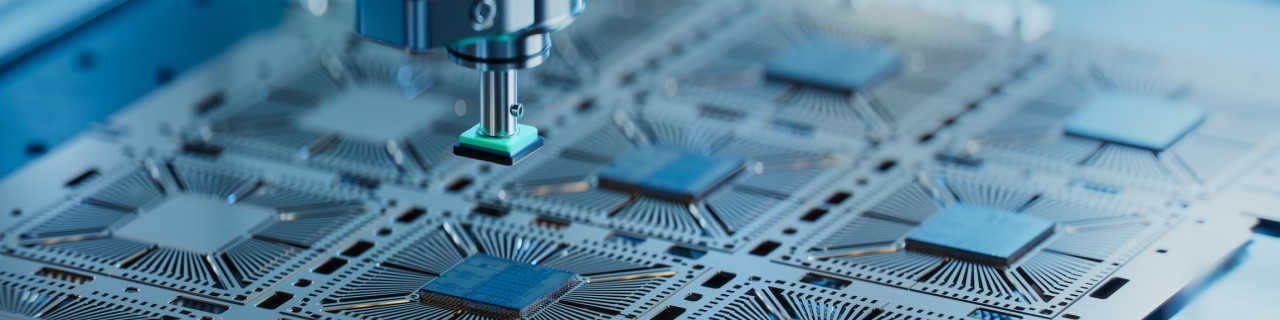
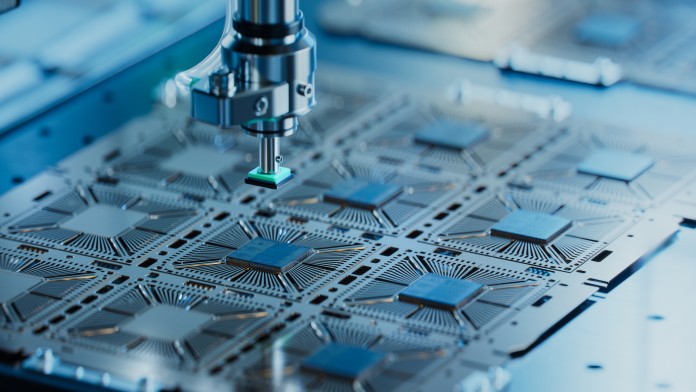
    The semiconductor value chain is international and geared to efficiency. Given the threat of geoeconomic fragmentation, among others, the question arises how resilient these international supply chains are. An analysis of the trade data shows that Germany is more than just a net importer. However, many of Germany’s semiconductor import markets are more heavily concentrated than the export markets and dominated by non-European supplier countries. (July 2024)

    An analysis based on a commissioned study on the importance of the raw materials copper, lithium and rare earths for Germany's value added and consideration of possible supply shocks along the raw material value chains. With different country risks and market concentration along the value chain, each of the three raw materials under consideration has its own individual situation, including for the selection of risk-mitigating measures. (March 2024)

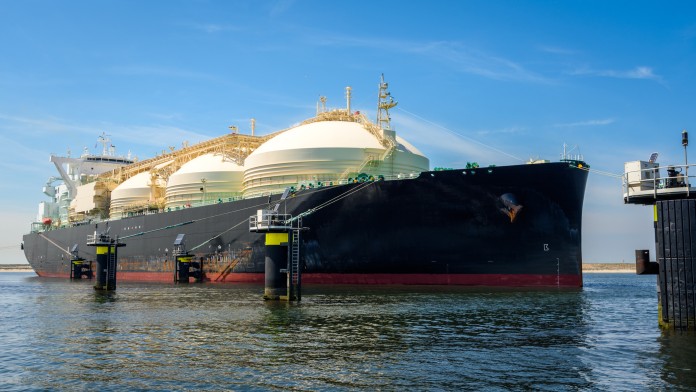
    As a result of Russia’s war of aggression against Ukraine, Prognos AG, on behalf of KfW Research, has undertaken a reassessment of the bridge function of natural gas on the path to climate neutrality in Germany. It found that the natural gas bridge will become narrower but not shorter. (November 2023)

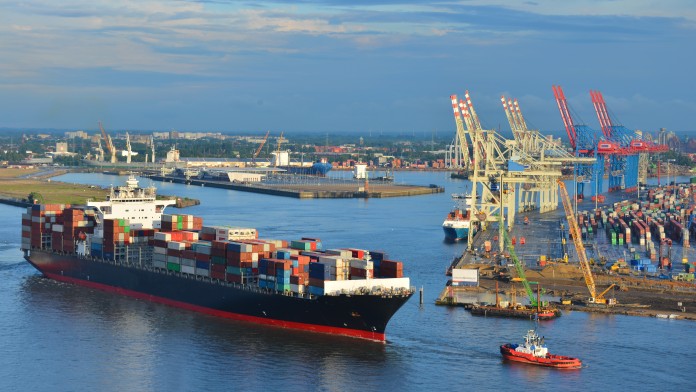
    Global value chains play a role in the business cycle comovements between countries, in transmitting and mitigating economic supply and demand shocks, in enabling economies to recover and in generating profits from trade. They are also perceived as economic dependencies against the backdrop of geoeconomic and geostrategic rivalries, which makes assessing their risks for businesses and society a complex task. (April 2023)

    The transition to net zero and the digitalisation drive will significantly shape future material requirements. While global demand will grow strongly not just for bulk metals such as copper but also for special metals such as lithium, rare earths and cobalt, high import dependencies along the value chain are turning into a stress test for the future supply of raw materials and for Europe as a technology location. (September 2022)

    Nearly half of all German SMEs have been impacted by supply bottlenecks. Production has been disrupted and companies are unable to meet delivery deadlines and are forced to decline customers’ orders and adjust prices. SMEs do not expect the supply bottlenecks to be resolved any time soon. (October 2021)

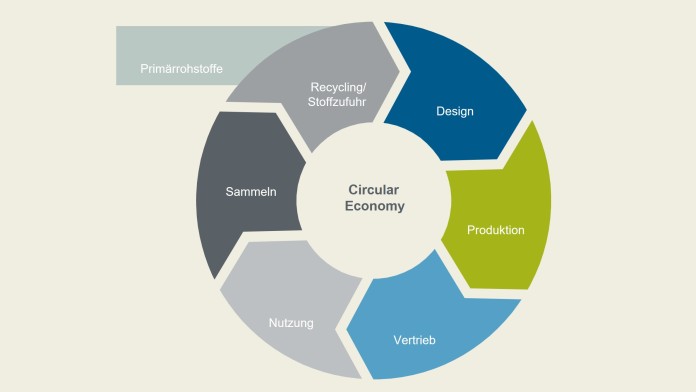
    The unabated growth of global resource consumption is the main cause of global climate change and biodiversity loss. At the same time, competition for scarce commodities is intensifying. In the face of these challenges, the shift to a circular economy is expected to help make economic management sustainable and competitive. (July 2019)

    Last updated: March 2026

    Contact

    KfW Research, KfW Group, Palmengartenstrasse 5-9, 60325 Frankfurt, Germany,

    Our newsletters report on economic and demographic developments in Germany and Europe, as well as on interesting global economic and development policy topics.
    Subscribe